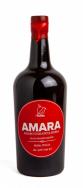
Tasting Notes:Rossa Amara is an infusion of blood orange peels, fresh herbs, and sugar with the tradition of using zero additives. A perfect digestif with a bright and golden finish. Enjoy neat, on the rocks, or as an excellent... Read More
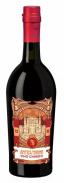
Tasting Notes: The Amaro dell’Etna has its roots on the slopes of Mount Etna in Sicily where more than twenty-six herbs and aromatic plants grow. Its special recipe embodies the volcanic nature of Sicilian soil and even... Read More
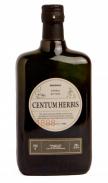
Tasting Notes: Bordiga Centum Herbis translates to100 herbs and refers to this type of bitter Alpine herbal liqueur traditionally made and consumed in the Alpine region of France and Italy. Akin to green Chartreuse but with lower... Read More
Tasting Notes:Vecchio Amaro del Capo has a delicate and aromatic taste that also adapts well to more delicate palates, not used to Bitter drinks and remember, as the best Calabrese tradition says, they should be drank frozen... Read More
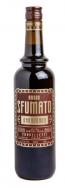
Tasting Notes: The term Sfumato derives from the italian word for smoke fumo. It is traditionally associated with a style of Renaissance painting characterized by subtle transitions between areas of dark and light. This speaks... Read More
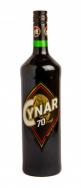
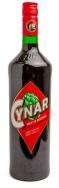
Tasting Notes: Cynar is an artichoke based bittersweet liqueur known for its versatility and distinctive flavour; its taste is enriched by an infusion of 13 herbs and plants. The name of the drink derives from Cynar scolymus,... Read More
Estate History: Created by Angelo Dalle Molle, a Venetian entrepreneur and philanthropist, Cynar was launched in Italy in 1952. Since then, the brand has grown and is now distributed internationally. Tasting Notes: Cynar is an... Read More
Luxardo is one of the oldest European firms producing liqueurs and spirits. Transferred from Zara to Torreglia (Padova) in 1947 due to the consequences of the Second World War, Luxardo is a place where centuries old traditions... Read More
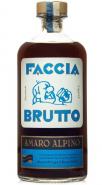
Tasting Notes: Faccia Brutto Amaro Alpino presents a complex, bittersweet profile, featuring prominent notes of cinchona, rhubarb root, and a cooling hint of eucalyptus and spruce buds. The palate is layered and herbaceous, with... Read More
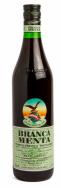
Tasting Notes: Branca Menta is a minty take on the bitter classic Fernet Branca. The backbone is still very herbal and bittern, but it is refreshed with a tantalizing mint aroma. Try it alone or in a cappuccino for an Italian... Read More
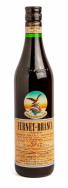
Tasting Notes:Fernet’s backstory actually has roots — no pun intended — in naturopathic medicine. Or, more accurately, the unlikely crossroads where centuries of naturopathic medicine collide with robust capitalism.... Read More
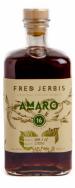
Tasting Notes: Jerbis Amaro follows an old recipe from an order of monks, 16 different botanicals are infused together. All ingredients are Italian, and locally sourced in Friuli, including linden leaf, rhubarb root, currants,... Read More
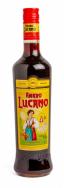
Tasting Notes: Amaro Lucano was created in 1894 from a secret recipe that has been handed down from generation to generation in the Vena family. Thanks to the skilful blend of more than 30 herbs it has a decisive taste that is... Read More
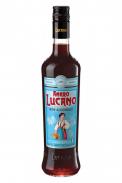
Tasting Notes: Amaro Lucano Non-Alcoholic is an Amaro that contains less than 0.5% alcohol. It’s made from the same carefully selected, quality herbs as Amaro Lucano. On the nose, there is an immediate triumph of Meditteranean... Read More
Tasting Notes: The base spirit in the Luxardo Amaro Abano is infused with herbs and botanicals among them being cardamom, condurango, cinnamon, cinchona and bitter orange peel. Medium bitter and a staple of the Veneto region.... Read More
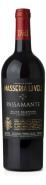
Tasting Notes: The Masseria Li Veli Salice Salentino Passamente is a dense ruby red with a purplish rim, immediately intense on the nose with marked aromas of ripe and fleshy red fruits, notably cherries followed by spicy notes... Read More
Tasting Notes: Clear, with warm amber hues that enchant at first glance. Intense, authentic and full of delightful herb aromas that give it its unique and unmistakable character.Thanks to the fine selection of herbs, which are... Read More
Tasting Notes: Paolucci Amaro Ciociaro was created by Vincenzo Paolucci in 1873 shortly after his move from the nearby Italian region of Abruzzo to Sora in Ciociaria and the Liri Valley, which is rich in herbs and spices such... Read More